Profile replication
When the original roof profile is no longer available.
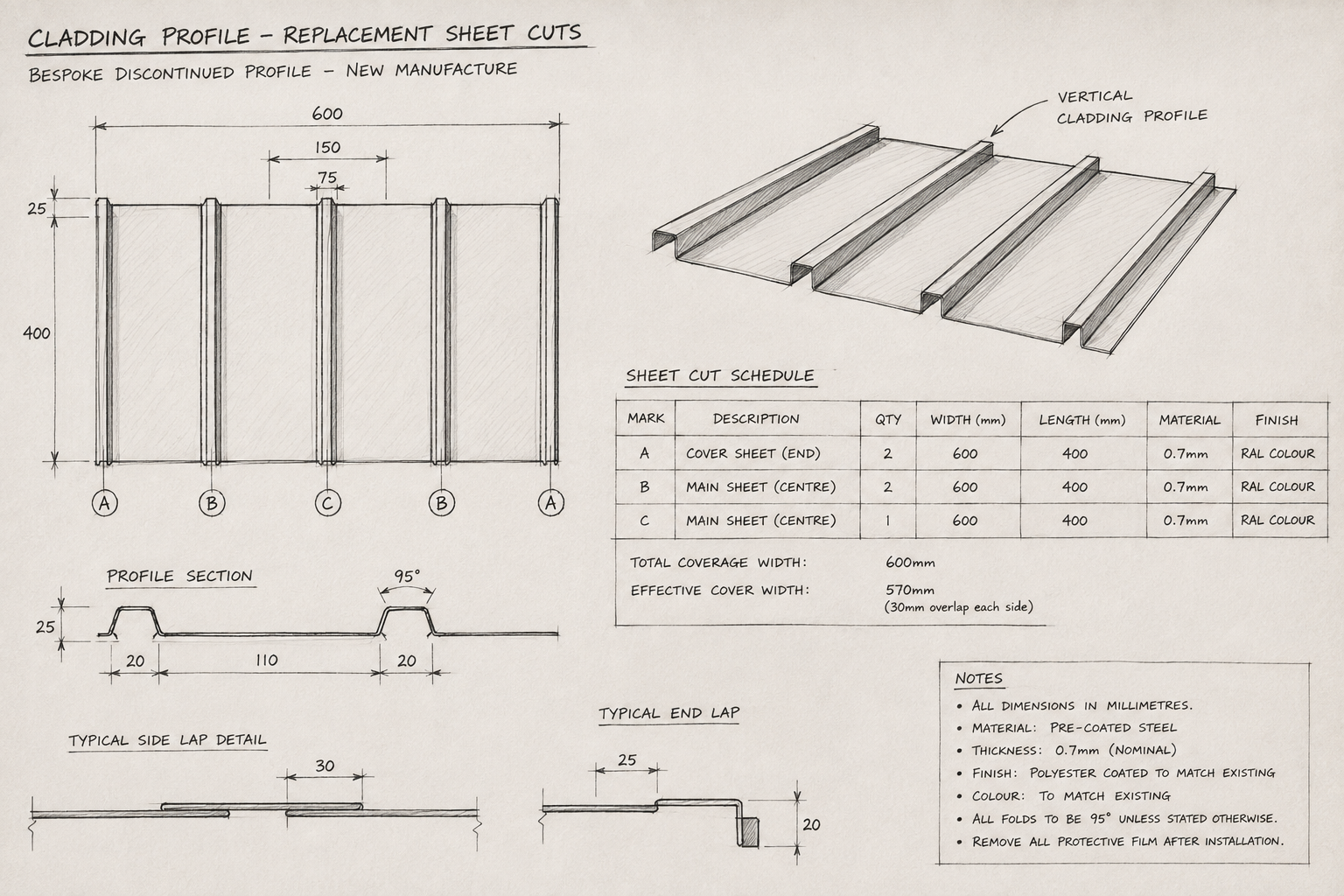
Send an existing sheet, profile offcut, drawing, photograph or measured sketch. Color-Clad will assess the geometry, material and production requirements and confirm whether a replacement profile can be manufactured.
Supply only · Pressed profiles up to 2.65m · Nationwide UK delivery
Up to 2.65m
Pressed roof-profile length
Sample, drawing or photograph
Assessment can begin from what exists
No manufacturer name required
Unbranded sections can be reviewed
Technical review
Material, geometry and tooling confirmed
The commercial problem
One unavailable profile can delay an entire refurbishment programme.
Older commercial roofs often use profiles that are no longer produced, no longer identifiable or unavailable in the required quantity. Substituting a visibly or geometrically different profile can affect laps, interfaces, repairs and extension work.
Color-Clad assesses the component that already exists and determines whether a technically suitable replacement can be produced.
- Repairs cannot be completed cleanly
- Extensions may not align with the existing roof
- Localised replacement can be delayed by unavailable stock

Assessment workflow
From existing profile to assessed replacement.
01
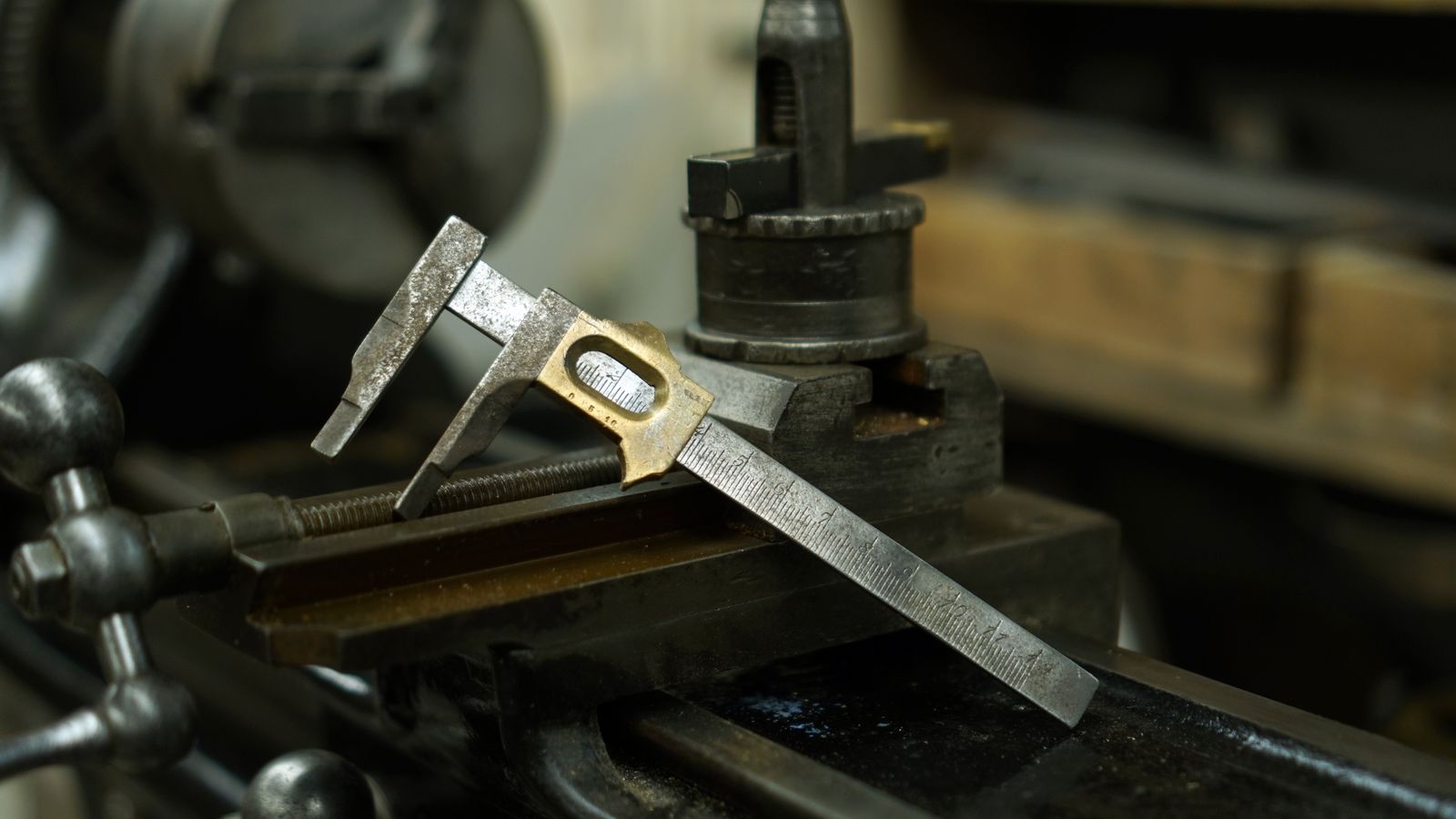
Existing profile
Old sheet, damaged offcut or weathered sample.
02
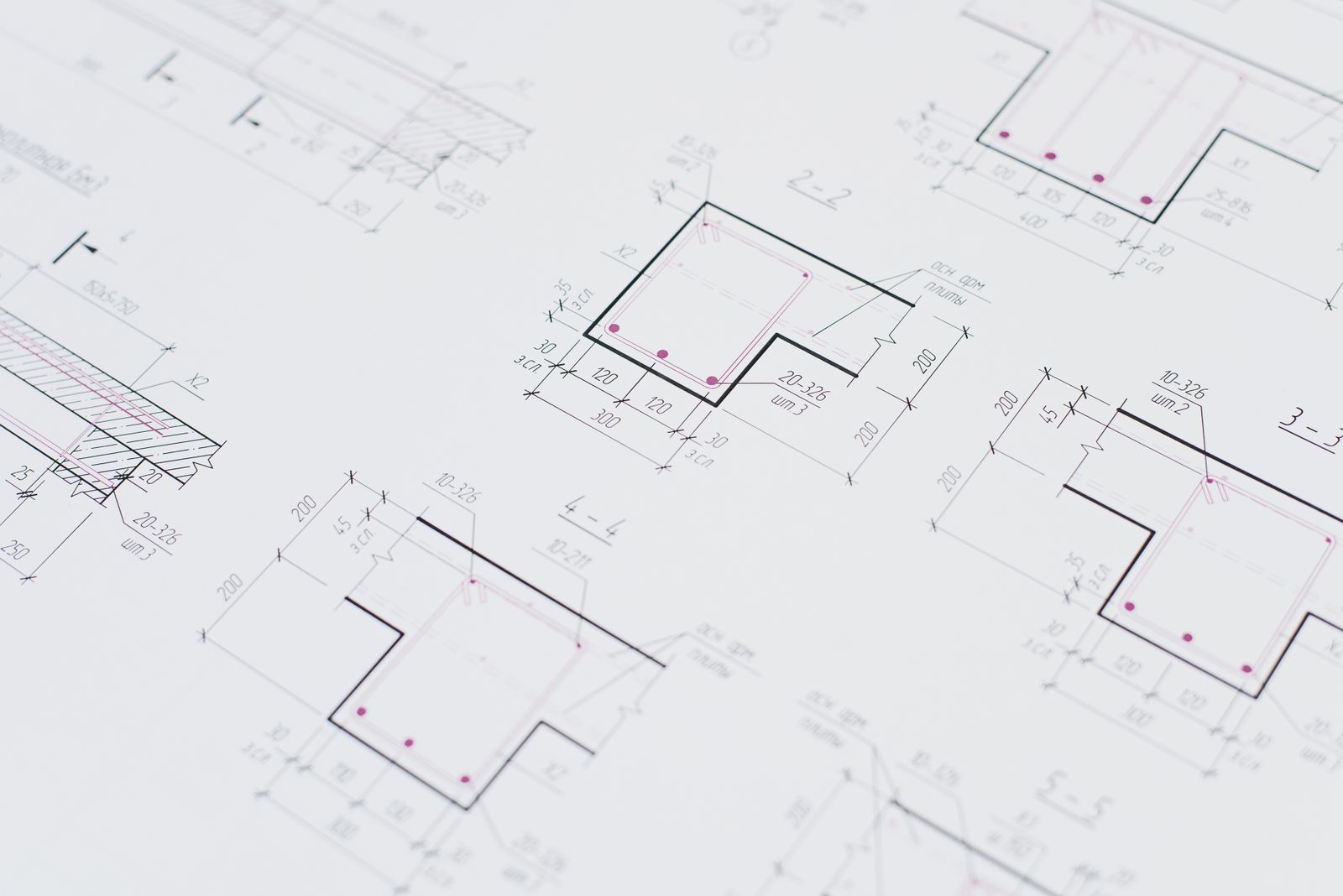
Technical interpretation
Profile dimensions, cover width, pitch, depth, laps and material are reviewed.
03
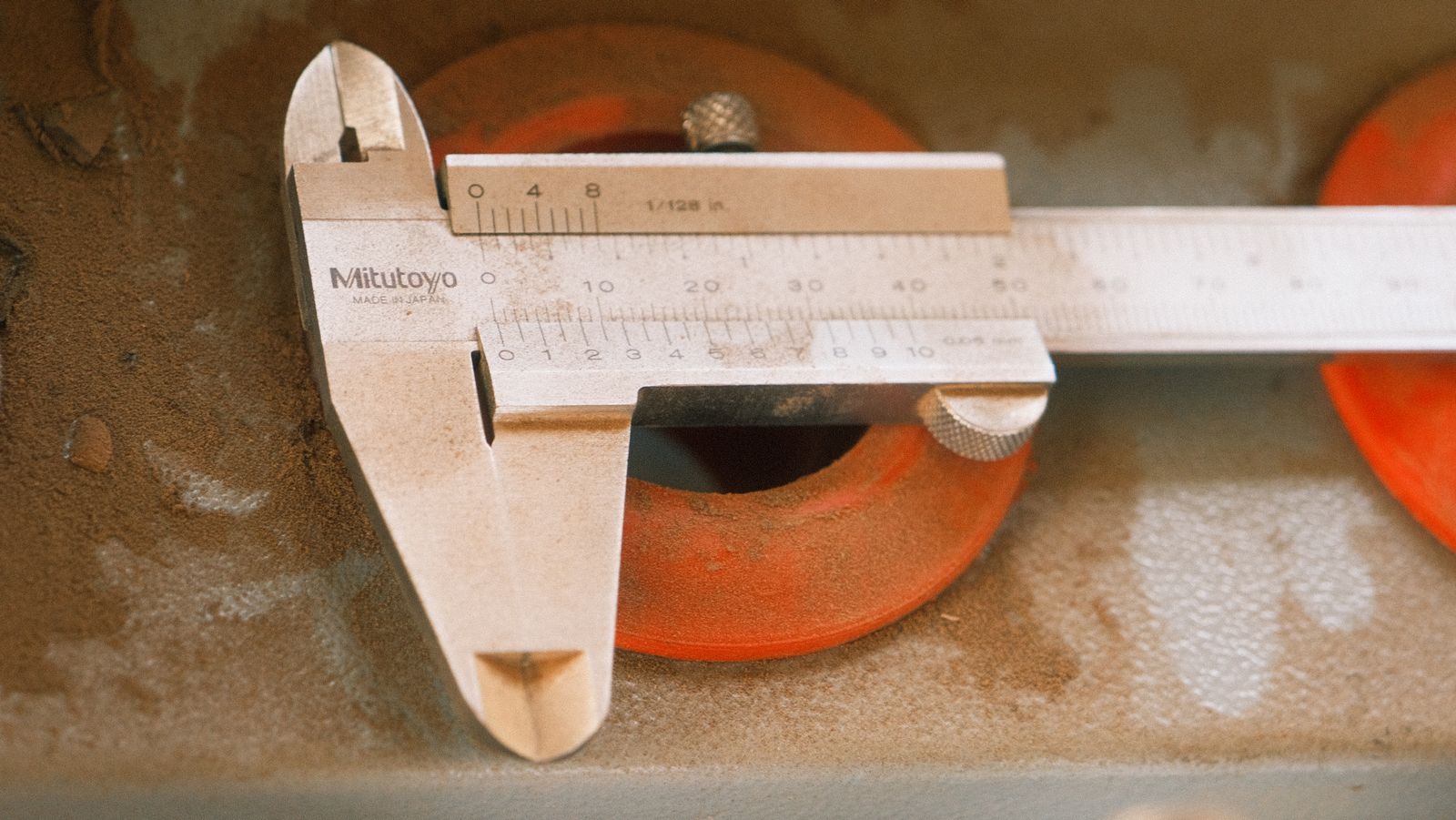
Replacement profile
A new component is pressed where geometry, material and tooling allow.
The replacement is manufactured to the confirmed assessment. Wear, corrosion and distortion in an original sample can affect the measured geometry.
Accepted inputs
Start with whatever information you have.
Physical roof-sheet sample
An existing section removed from site.
Profile offcut
A clean end section showing the full profile.
Dimensioned sketch
A freehand sketch with key measurements noted.
CAD or technical drawing
A digital file with profile dimensions.
Marked photographs
Clear images with a scale or tape visible.
Manufacturer datasheet
Original specification if still available.
Start an assessment
Send what you have in one straightforward enquiry.
Upload photographs, drawings or a measured sketch and explain the replacement you need. The team will confirm the next step, including arrangements for a physical sample where needed.
Send an enquiryUseful information
Clear measurements help, but a formal drawing is not essential.
Example measurements
Cover width · Pitch · Profile depth · Crown width · Valley width · Side lap · Sheet width · Material · Thickness
- Photograph the profile from one end
- Include a rule or tape for scale
- Photograph both side laps
- State the required finished length
- State the quantity
- Identify the material where known
- Identify the thickness where known
- Include a wider site-context image
- Mark important dimensions
- Explain how the replacement will be used
Not sure what to measure?
Send an enquiryAssessment process
A straightforward review before any fabrication.
- 01
Send what you have
Photograph, sample, drawing, datasheet or sketch.
- 02
Initial review
Color-Clad checks whether enough information is available.
- 03
Technical assessment
Geometry, material, gauge, profile condition and tooling are considered.
- 04
Feasibility and quotation
A suitable production route is confirmed or an alternative is discussed.
- 05
Manufacture and supply
Approved replacement components are manufactured to the confirmed specification.
Technical review
What is checked before a replacement is confirmed?
Profile geometry
- Cover width
- Pitch
- Rib depth
- Crown and valley dimensions
- Side laps
- Edge profile
- Repeatability
Material
- Material type
- Thickness
- Coating or finish
- Condition of original
- Springback and forming behaviour
Production
- Tooling
- Pressing method
- Maximum length
- Handling
- Quantity
- Repeat consistency
Project context
- Intended use
- Repair or extension
- Required interface
- Visible finish
- Delivery requirements
An old sample may have changed shape through corrosion, loading, impact or handling. Critical dimensions are confirmed during assessment rather than assumed from the sample alone.
2.65m
Maximum stated pressed-profile length
Technical review
Profile geometry, material, thickness and tooling are assessed together.
Outcome
A production route is confirmed, further information is requested, or an alternative is proposed.
Why might a profile not be reproducible?
- Required tooling is unavailable
- Fold or pitch geometry cannot be achieved reliably
- Material specification is unsuitable
- The sample is too distorted to assess
- The profile requires a process outside the in-house range
- The requested length exceeds the stated limit
- The quantity is not commercially practical
- The proposed replacement would not provide a reliable interface
Applications
Where replicated profiles are typically used.
Localised repairs
Replacing damaged or deteriorated sections.
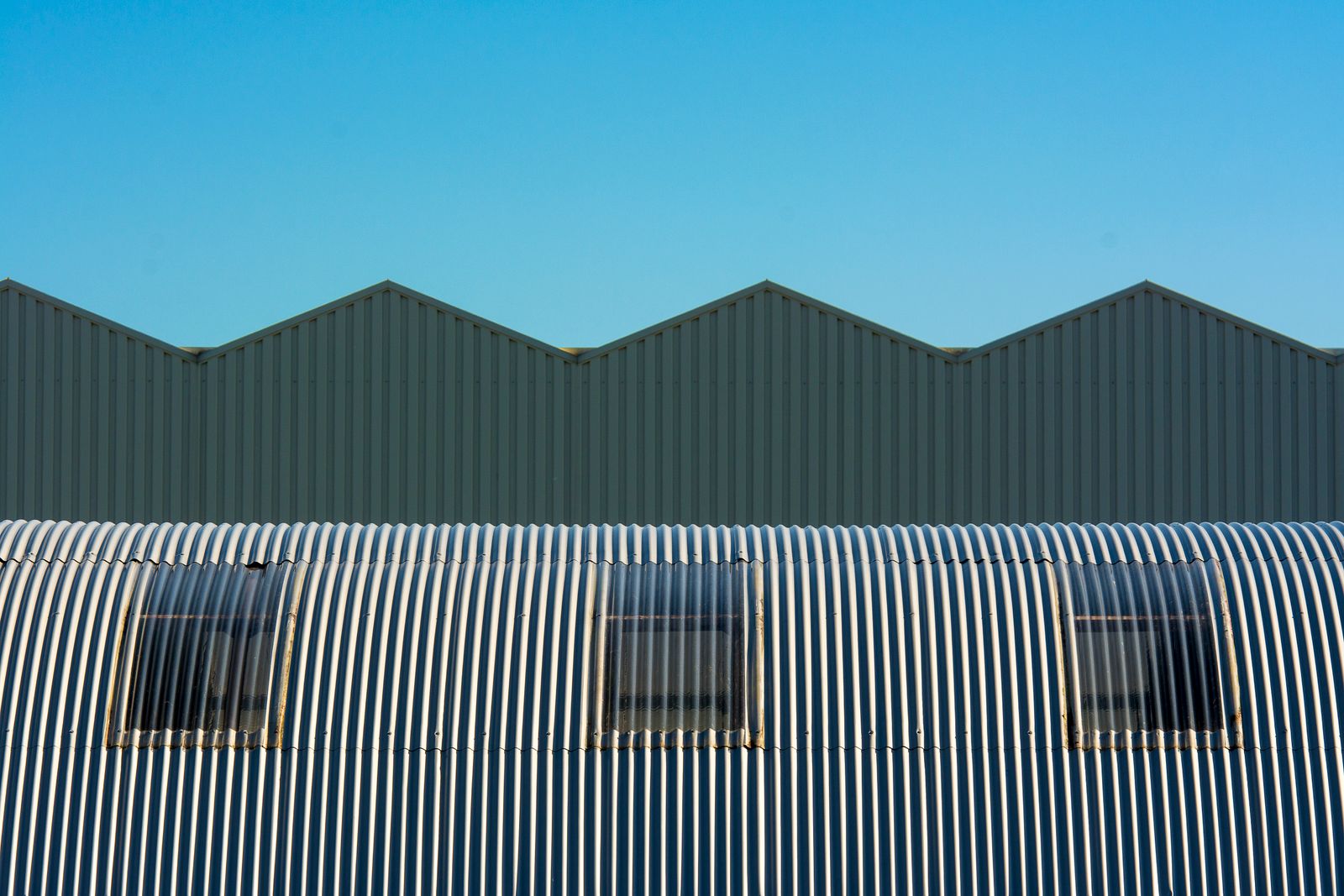
Full refurbishment
Re-roofing when the original profile has been discontinued.
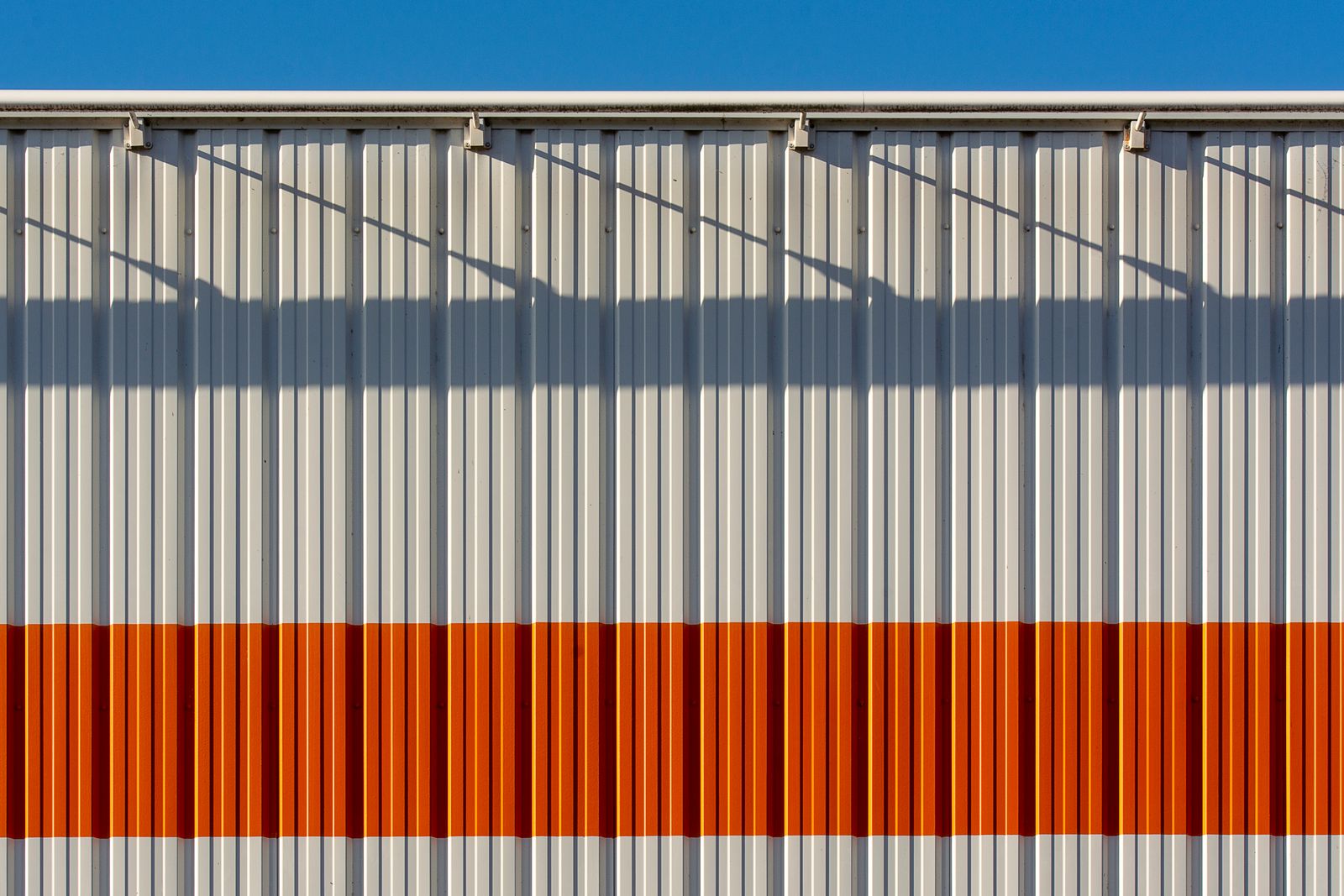
Building extensions
Matching the existing roof line on new work.
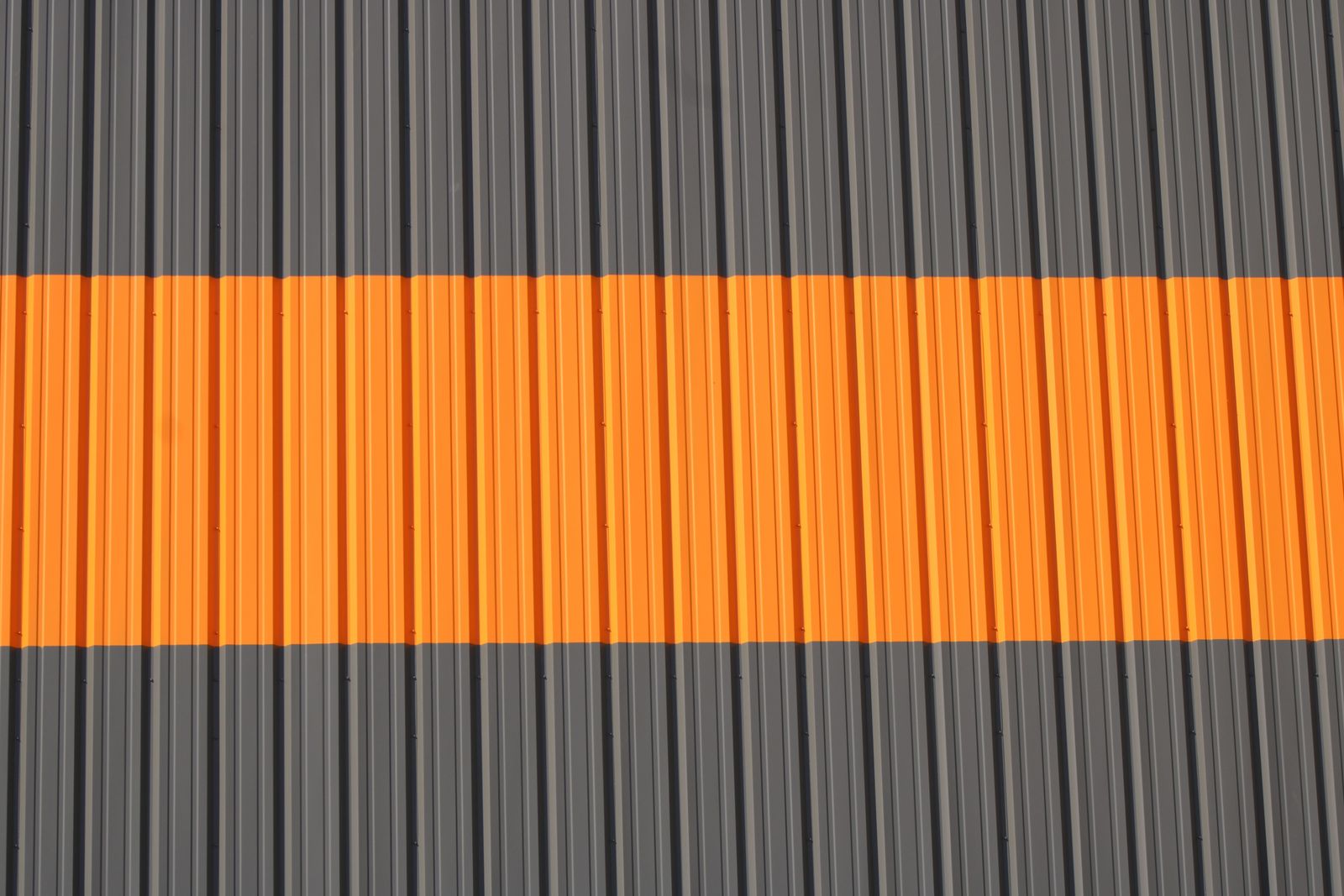
Facilities maintenance
Supporting ongoing care of older commercial buildings.
Commercial estates
Managed replacement across portfolios with mixed profiles.
Agricultural buildings
Repairing profiled cladding on farm and industrial structures.
Damage replacement
Replacing storm, impact or age-related damage.
Mixed-profile estates
Sourcing replacements across multiple discontinued types.
Focused questions
Questions we hear most often on profile replication.
No. An assessment may begin from a sample, drawing, photograph or measured sketch, even when the profile is unbranded or the manufacturer is no longer trading.
Start the assessment
Send what you have. Color-Clad will confirm the next step.
Upload the information you have and the team will guide you through the appropriate next step.
Supply only · Profiles up to 2.65m · Nationwide UK delivery